

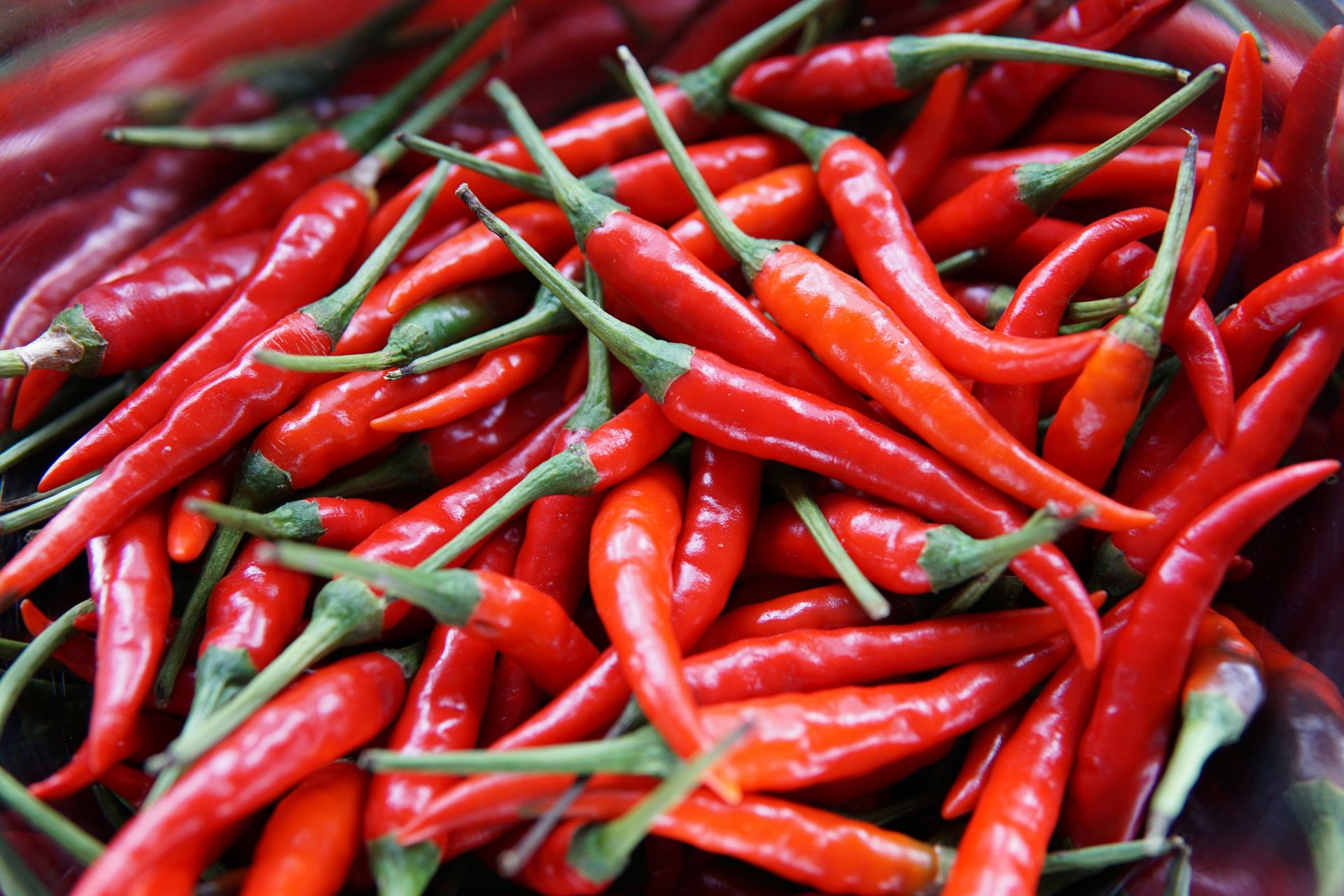
From the fiery Sichuan pepper-laced broths of Chongqing hotpot to the sweet and spicy sambals of Malaysia and Indonesia, chilli holds a special place in the heart — and mouths — of Chinese and Southeast Asian food lovers.
But why do we embrace the burn so willingly? Why do we sweat, tear up, and still go back for more?
The answer lies in a beautiful balance of flavour, feeling, and folklore.
Spice as One of the Five Core Tastes
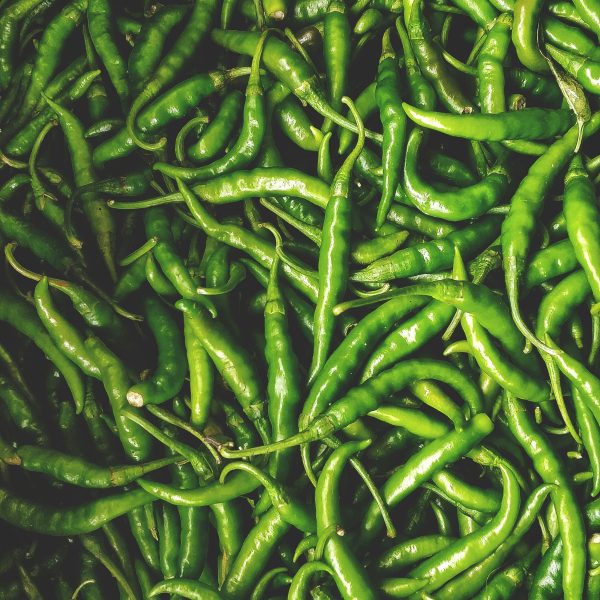
In the West, we often talk about the basic tastes as four: sweet, sour, salty, and bitter. But in Chinese and Southeast Asian culinary philosophy, we embrace a fifth — spicy, and more recently, a sixth — umami.
Together, these elements create balance, contrast, and depth in dishes. In Chinese cooking, every dish is crafted to hit one or more of these taste notes, and spicy food plays a powerful role:
Sweet softens and rounds out the sharpness of spice.
Sour (think vinegar or lime) lifts and refreshes.
Salty enhances savouriness and contrast.
Bitter adds depth and complexity.
Spicy energises the palate, sharpens the senses, and creates excitement.
Umami brings it all together — the deeply satisfying “savoury” sensation found in soy sauce, mushrooms, fermented tofu, and aged meats.
When spice is well balanced with these other elements — especially sweet or sour — the result is a mouthful of fireworks that dances across every corner of the tongue.
Why Do We Love the Burn?
Scientifically speaking, chilli doesn’t actually register as a “taste” — it’s a sensation.
The active compound capsaicin triggers the brain’s pain receptors, specifically the ones that detect heat. This kick-starts a flood of endorphins and dopamine — the body’s natural feel-good chemicals — giving us a rush of pleasure alongside the pain.
It’s not unlike a culinary adrenaline rush. And in many cultures across Asia, that burn is addictive.
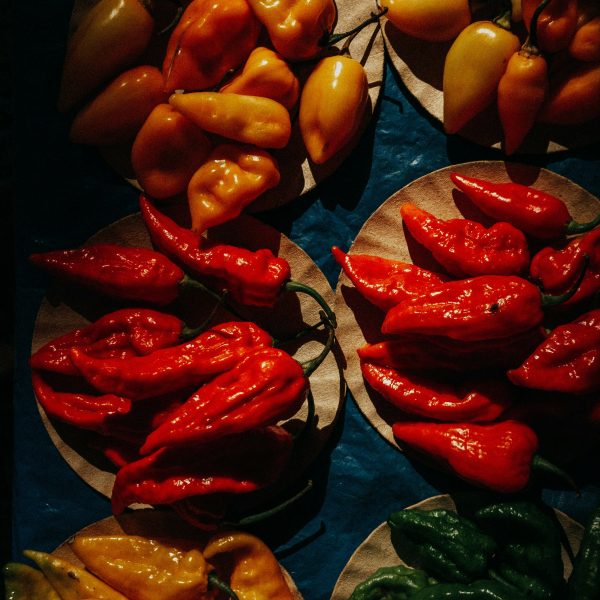
Chilli and the Heart – In More Ways Than One
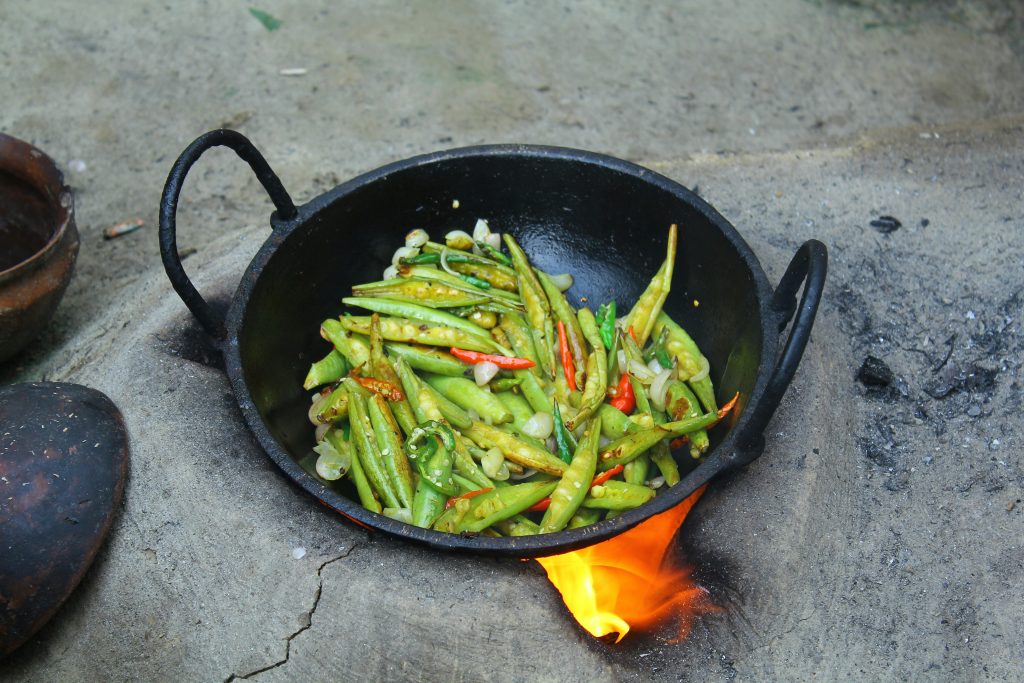
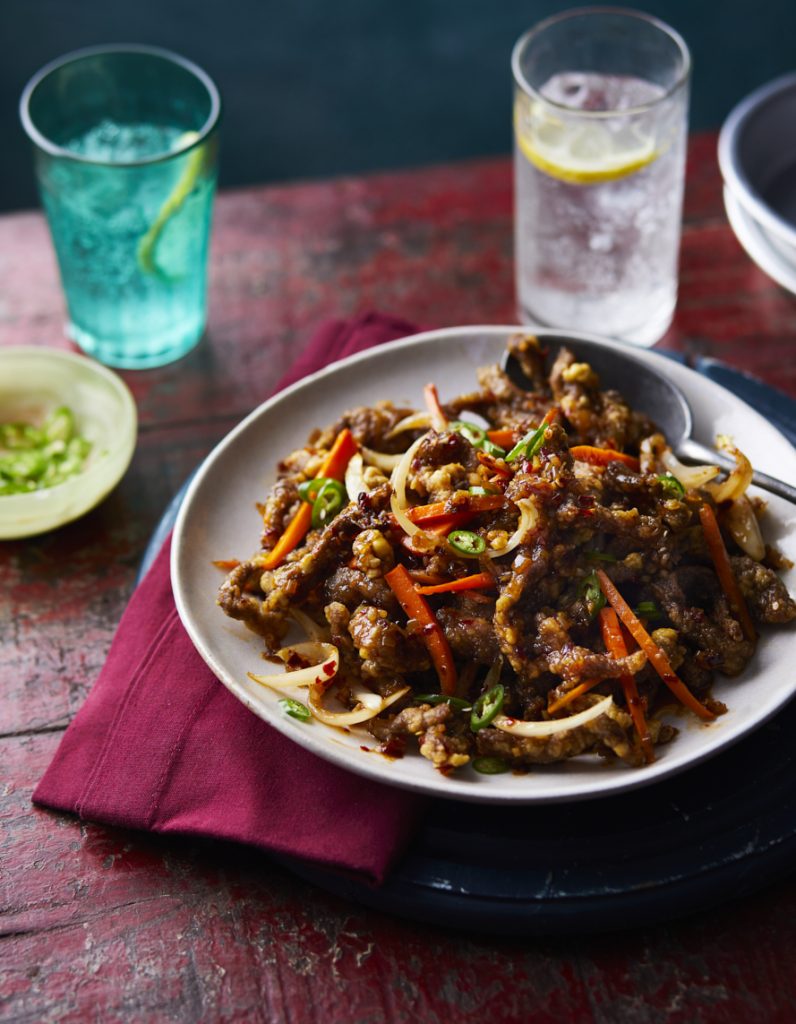
Many in Chinese and Southeast Asian communities believe that chilli is good for the heart — not just metaphorically, but physically and emotionally.
Physically:
Chilli is said to:
- Improve circulation
- Boost metabolism
- Help digestion (especially when combined with ginger and vinegar)
- Aid in cardiovascular health, with some studies suggesting a link between regular chilli consumption and lower rates of heart disease.
Emotionally & Romantically:
Spicy food is also tied to passion — literally!
Across Asia, chilli is viewed by some as a natural aphrodisiac. It gets the blood flowing, raises the heart rate, flushes the skin, and mimics some of the physical effects of arousal. No wonder it’s considered food for the libido in many traditional belief systems.
And let’s be honest: sharing a hot, spicy meal that makes you laugh, sweat, and reach for more is a bonding experience like no other.
The Sweet & Spicy Combo: A Global Obsession
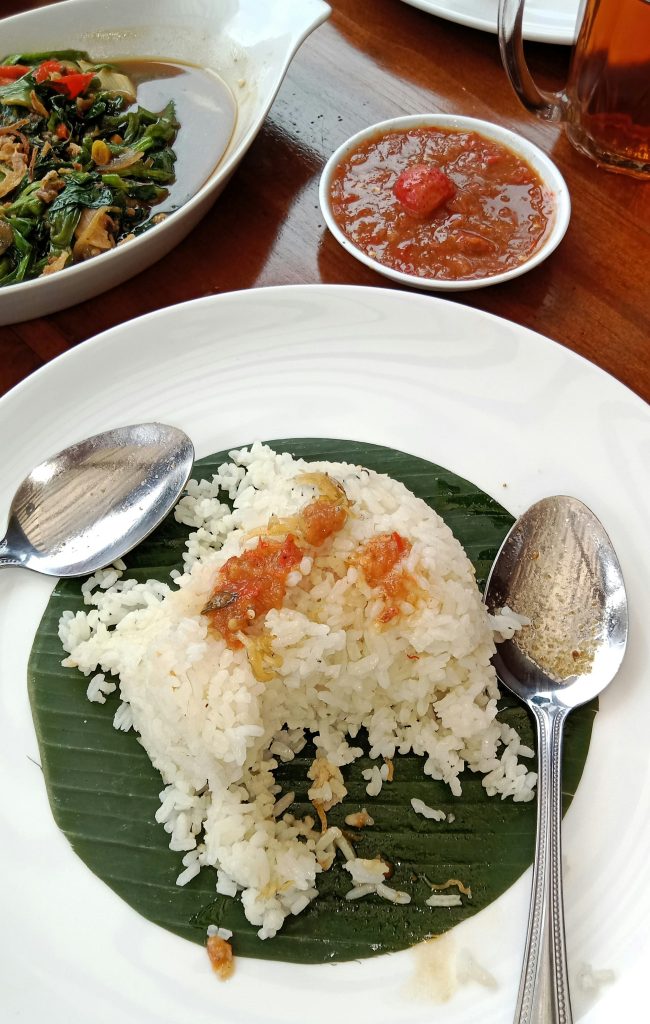
One of the most celebrated pairings in Southeast Asian cuisine is the spicy-sweet balance — from Thai sweet chilli sauce to Chinese General Tso’s chicken or Vietnamese caramelised chilli pork.
Here’s why it works so well:
- Sweetness calms the fire, but doesn’t dull the complexity of the spice.
- Spice elevates sweetness, making it less cloying and more exciting.
- Together, they create a push-pull contrast that keeps you coming back for more.
This combo has exploded globally — think Korean fried chicken glazed in gochujang and honey, or even chilli chocolate truffles in Western patisseries.
But for many of us from Chinese and Southeast Asian households, sweet and spicy isn’t a trend — it’s tradition.
Cultural Heat: A Shared Language of Spice
In Southeast Asia, where humidity is high and food spoils quickly, chilli has long played a practical role — its antimicrobial properties help preserve food, especially when fermented or pickled.
But chilli is more than just a flavour enhancer or functional ingredient — it’s a shared identity.
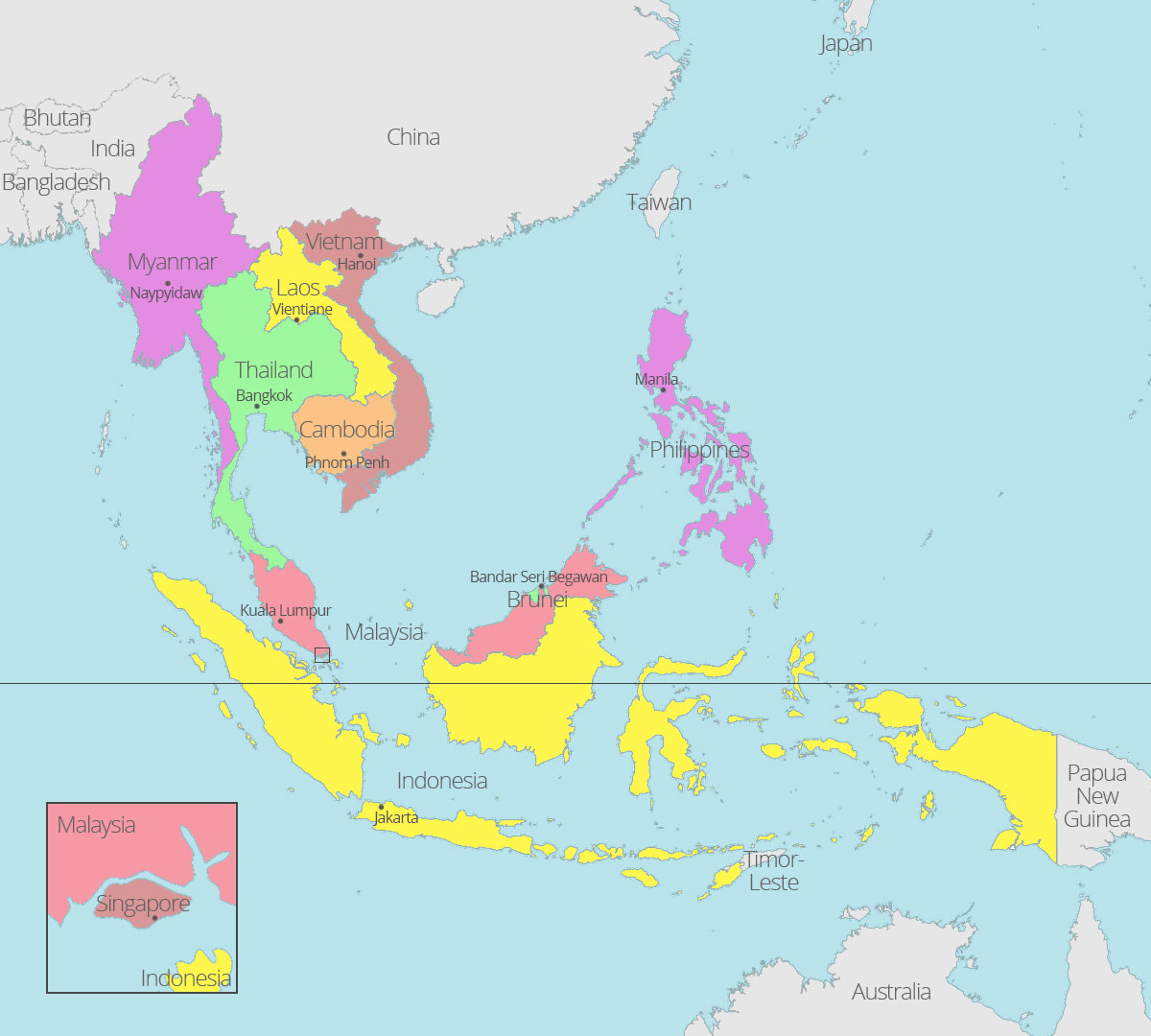
· In Malaysia and Indonesia, sambal is a table staple.
· In Thailand, prik nam pla (fish sauce with chopped chilli) goes with almost everything.
· In Vietnam, raw bird’s eye chillies sit next to nuoc cham for dipping or swirling.
· In China, particularly in Sichuan and Hunan, dried and fresh chillies are the heroes of nearly every meal.
Across these cultures, chilli connects people, stimulates appetite, and adds a little heat to every family table.
Final Thoughts: More Than Just Heat
Chilli is more than a spice — it’s an attitude, a heritage, and for many, a daily craving.
In Chinese and Southeast Asian cuisine, chilli represents more than just a kick on the tongue — it’s a philosophy of balance, a nod to vitality, and, at times, even a spark of romance.
Whether you’re chasing the thrill of heat or savouring the complex harmony of spicy-sweet sauces, chilli will always be a pillar of soul food across Asia.
So next time you reach for that hot sauce or pile on the chopped chillies — remember, it’s not just spice… it’s spirit.